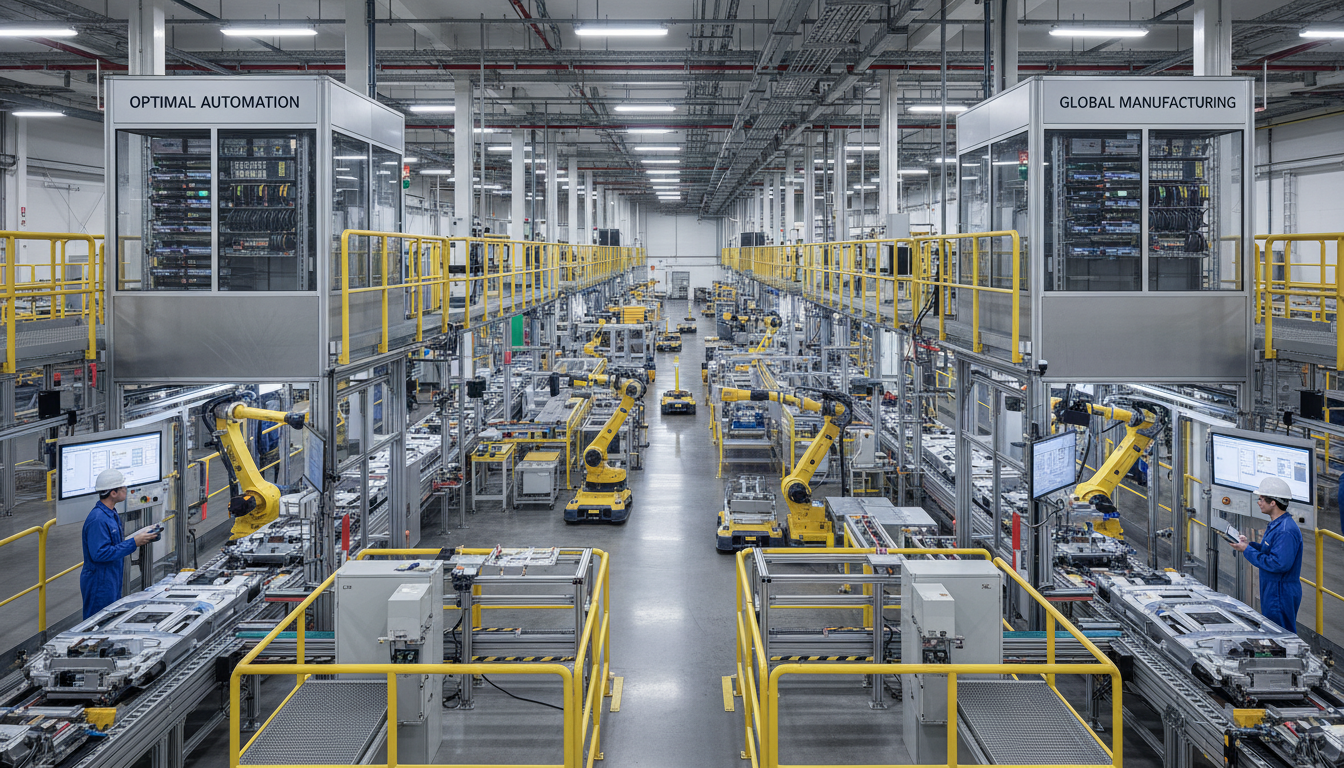
The autogeneración eléctrica industrial Venezuela serves as a critical strategy for companies to ensure operational stability during national energy saving plans and rationing periods. By activating independent power plants and implementing efficiency measures, industries can reduce their reliance on the national grid while contributing to the overall stability of the electrical system.
For the Venezuelan industrial sector, an unexpected power outage represents more than a temporary pause; it is a direct threat to equipment integrity and production targets. The current Plan de Ahorro Energético forces companies to rethink their dependence on the national grid to avoid costly downtime. At Main Technologies, C.A., we understand that energy autonomy is not a luxury, but a strategic necessity for operational stability. This guide provides an expert overview of industrial self-generation, from selecting the right technologies to integrating hybrid systems with renewable sources. We will also explore how IoT and automation optimize fuel consumption, while ensuring strict compliance with INPSASEL safety standards. By the end of this article, you will have a clear roadmap to implement a robust, reliable energy solution that protects your competitive edge in a challenging landscape.
El contexto del Plan de Ahorro Energético y su impacto en la industria venezolana
La operatividad industrial en Venezuela durante el periodo 2024 a 2026 enfrenta un escenario de alta volatilidad debido a la fragilidad del Sistema Eléctrico Nacional (SEN). El impacto recurrente de fenómenos climáticos como El Niño, sumado a la necesidad de estabilizar la carga térmica en las centrales de generación, ha derivado en la reactivación estricta de planes de ahorro energético. A diferencia de las interrupciones residenciales, para el sector manufacturero esto se traduce en una interrupción directa de la cadena de valor y en la pérdida promedio de 127 horas laborales por trimestre según reportes de coyuntura recientes.
Desde el punto de vista normativo, la Gaceta Oficial 39.332 establece directrices fundamentales para los grandes usuarios con demandas superiores a los 2 MW. Estas empresas están obligadas a reducir su dependencia de la red pública, una medida que busca liberar capacidad para sectores críticos del país. En Main Technologies, C.A., observamos que esta exigencia no es solo un trámite legal, sino un desafío de ingeniería que requiere consultoría técnica especializada.
La falta de previsión ante estas restricciones impacta la integridad de equipos críticos como calderas y hornos, donde una parada no programada puede causar daños estructurales costosos y riesgos de seguridad. Por ello, la transición hacia esquemas de autogeneración eléctrica industrial Venezuela ha dejado de ser una opción para convertirse en la única garantía de continuidad operativa frente a la inestabilidad climática y estructural del sistema.
Qué es la autogeneración eléctrica industrial y por qué es una inversión crítica
In the context of the Venezuelan energy crisis, the concept of autogeneración eléctrica industrial Venezuela transcends the simple acquisition of a backup generator. It represents the engineering capacity of an industrial facility to satisfy its own energy demand, either partially or totally, independently of the public utility. This involves a coordinated integration of power sources that allow for seamless transitions or sustained autonomous operation during periods of high demand or grid instability.
Recent data from Conindustria validates this shift in the industrial paradigm. By the first quarter of 2026, approximately 59 percent of private industries in the country have already implemented some form of self-generation. This is not a trend driven by sustainability alone; it is a pragmatic response to a system that averages four weekly outages. For a manufacturing plant, relying solely on the SEN means risking the 127 labor hours typically lost per quarter due to lack of supply, a figure that directly erodes competitiveness and operational profit margins.
Investing in these systems is a critical defensive maneuver for business continuity. While the initial capital expenditure is a consideration, the cost of inaction is far higher when factoring in damaged equipment and lost production cycles. At Main Technologies, C.A., we view self-generation as an essential pillar of consultoría técnica especializada. It is the only technical path to ensure that production lines remain active and that critical equipment, such as boilers and high-temperature furnaces, maintains its integrity during national grid failures.
Tecnologías de autogeneración disponibles para el sector industrial en Venezuela
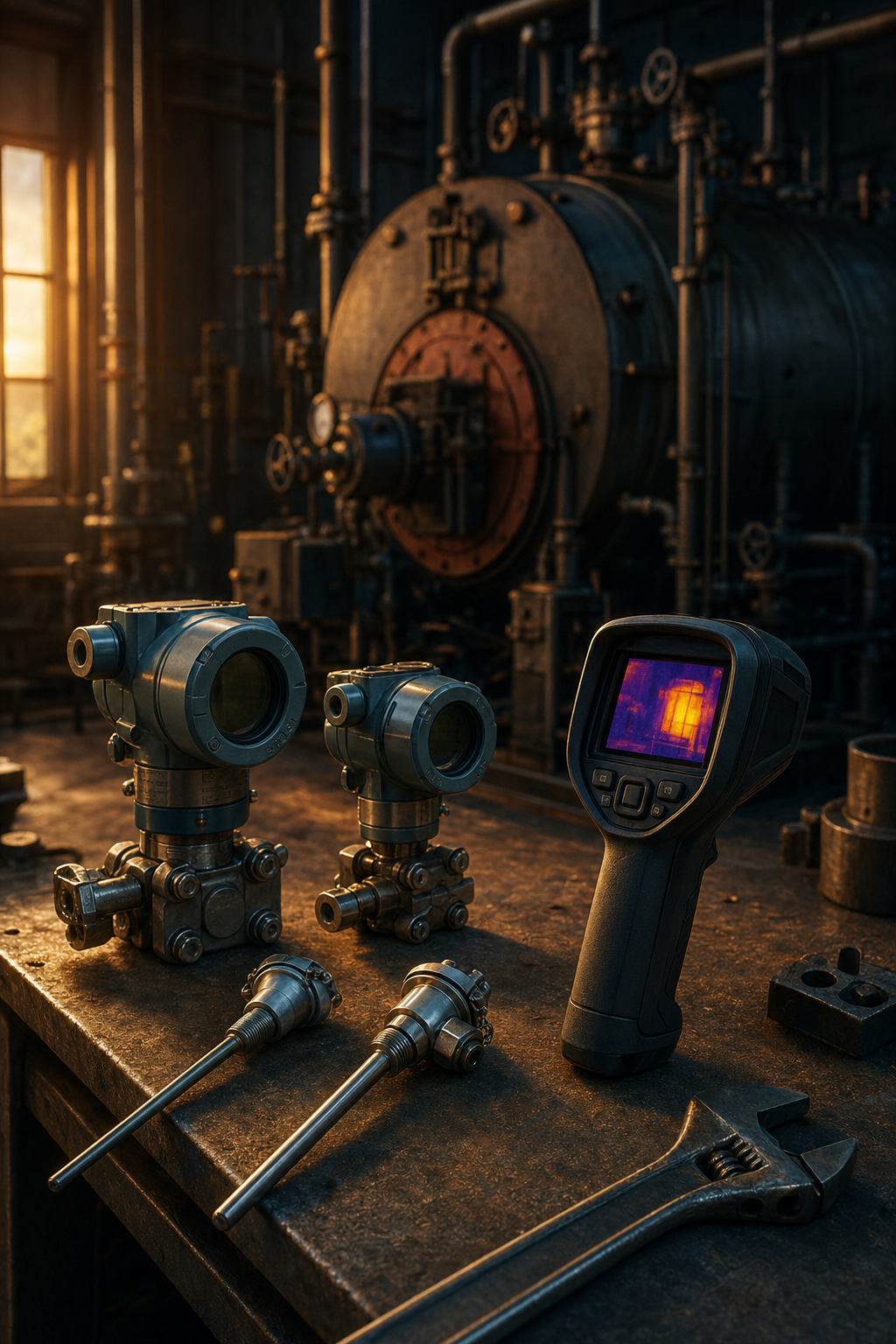
Selecting the right technology for autogeneración eléctrica industrial Venezuela requires a rigorous analysis of thermal demand, fuel logistics, and the specific geographical location of the plant. In regions like Lara and Zulia, high solar irradiation offers significant potential, while industrial zones in the central region often rely on traditional combustion systems due to established natural gas infrastructure.
Technology | Advantages | Disadvantages | Venezuelan Context |
|---|---|---|---|
Diesel/Gas Gensets | Rapid response; high energy density; lower initial CapEx. | High OpEx; fuel supply volatility; high maintenance frequency. | Most common for emergency backup; requires strategic fuel storage management. |
Photovoltaic (Solar) | Zero fuel cost; low maintenance; long lifespan (25+ years). | High CapEx; requires significant space; intermittent without storage. | High solar potential in Barquisimeto; excellent for offsetting daytime peak loads. |
Biomass/Recovery | Continuous generation; waste reduction; high overall efficiency. | High engineering complexity; specific to certain raw materials. | Ideal for agro-industrial sectors such as sugar, rice, or wood processing. |
Traditional internal combustion groups remain the cornerstone for many industries due to their ability to handle large, sudden load changes. However, the recurring scarcity of diesel underscores the necessity to transition toward soluciones en energías renovables to mitigate long term operational risk. For facilities with constant high steam demand, cogeneration via thermal recovery units can achieve overall energy efficiency levels above 80 percent, converting exhaust heat that would otherwise be wasted into useful electricity.
The technical differentiator in these installations is the control logic for synchronization and island mode operation. A robust system must be capable of operating in "island mode," where the plant functions completely detached from the SEN during a blackout. Proper synchronization allows the industrial plant to work in parallel with the grid, enabling a seamless transition that prevents voltage dips. This level of engineering ensures that sensitive instrumentation and automation systems do not trigger emergency shutdowns during a grid failure, preserving the continuity of the production cycle.
Hacia un modelo híbrido: Integrando energías renovables en plantas de proceso
The transition toward a hybrid architecture represents the most sophisticated level of autogeneración eléctrica industrial Venezuela. For industrial plants in Barquisimeto and the wider Central, Western region, this involves coupling existing diesel or gas reciprocating engines with photovoltaic arrays or, in specific corridors, small scale wind turbines. The objective is to utilize renewable sources as the primary energy injector during peak irradiation hours, relegating combustion units to a stabilizing role that manages transient loads and frequency fluctuations.
This hybrid approach addresses the critical vulnerability of fuel logistics. By integrating soluciones en energías renovables, a facility can reduce its annual diesel consumption by 30% to 50%, directly mitigating the impact of supply chain disruptions. Furthermore, these systems provide a superior level of power quality; the inverter technology used in solar integration can assist in reactive power compensation, improving the overall power factor of the plant without relying solely on capacitor banks.
As we move toward 2026, industrial efficiency trends dictate that processes must move away from rigid, single source dependencies. A well engineered hybrid system allows for peak shaving, where solar power offsets the most demanding periods of the production cycle. This configuration, backed by consultoría técnica especializada, ensures that the plant remains operational even when fuel reserves are low or the public grid is unavailable, creating a resilient microgrid tailored to the specific thermal and electrical load profiles of the facility.
Automatización e IoT para la gestión de la autogeneración
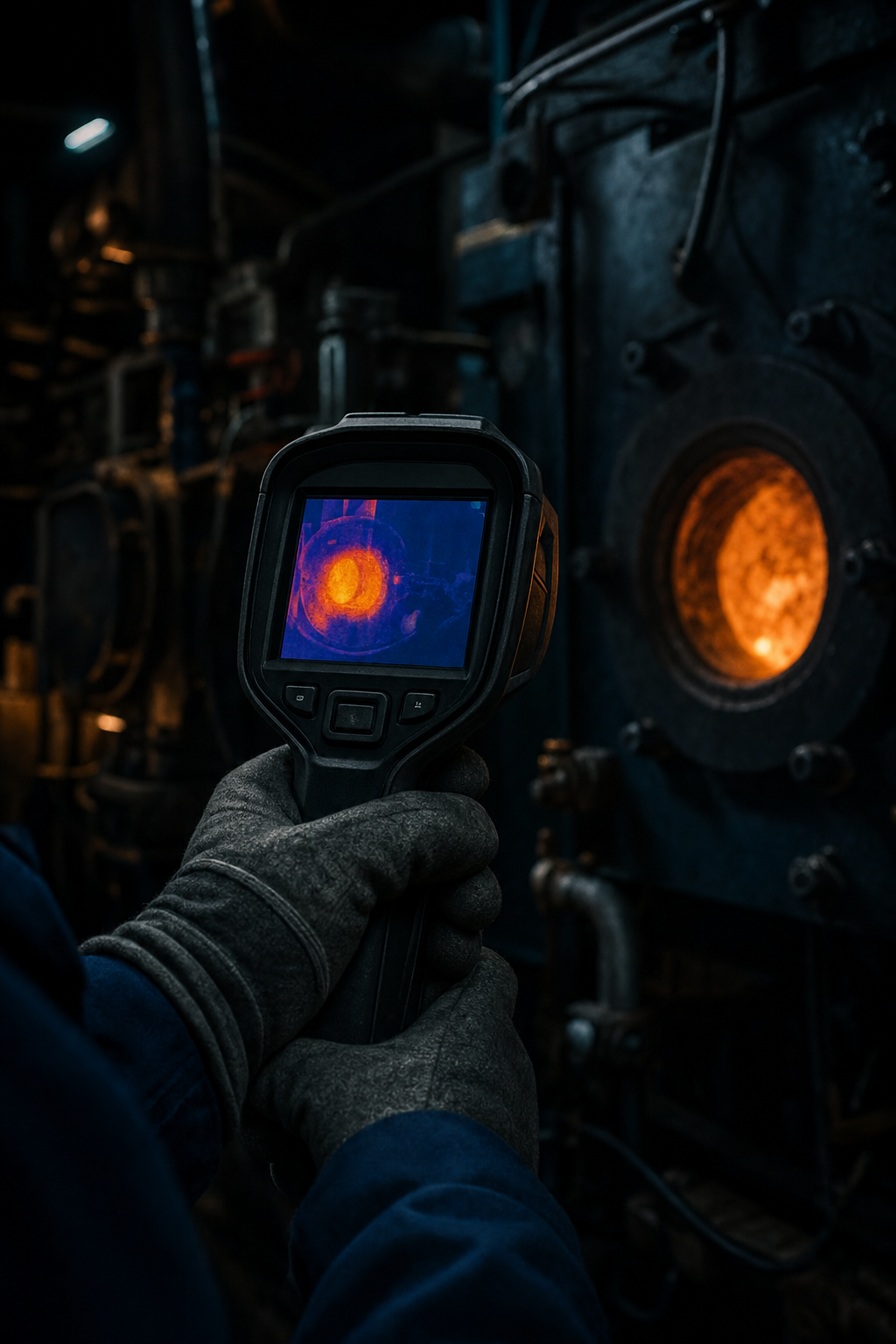
The true efficiency of autogeneración eléctrica industrial Venezuela is determined by the control logic governing the power distribution. It is a common engineering mistake to treat a generation plant as a passive standby asset. In a modern industrial environment, integration with IoT platforms allows for real-time monitoring of variables such as the power factor and total harmonic distortion. Maintaining a power factor close to unity is essential; during autonomous operation, reactive power mismanagement can lead to voltage instability and premature wear of the alternator and sensitive electronics.
Through our servicios de automatización e instrumentación, we implement smart metering and SCADA systems that provide granular visibility into the load profile. This data enables the execution of peak shaving strategies, where the generation system automatically manages surges in demand, preventing the plant from exceeding the thresholds established by current regulations. Furthermore, IoT sensors allow for predictive maintenance by tracking exhaust temperatures and vibration patterns in real time, alerting operators before a mechanical failure causes an unplanned shutdown.
Implementing these soluciones en energías renovables and combustion systems requires more than just mechanical installation. It requires a digital layer where sensors communicate via industrial protocols to a centralized controller. This level of consultoría técnica especializada ensures that every kilowatt generated is used optimally. By automating load shedding sequences, the system can prioritize critical machinery like boilers or continuous process lines, ensuring that even under restricted energy conditions, the most vital components of the operation remain powered and protected.
Seguridad y cumplimiento normativo INPSASEL en equipos de generación
Implementing autogeneración eléctrica industrial Venezuela involves a rigorous adherence to national safety standards that go beyond basic operational checks. In Venezuela, critical components such as boilers used for cogeneration, pressure vessels, and large scale reciprocating engines must comply with INPSASEL (Instituto Nacional de Prevención, Salud y Seguridad Laborales) regulations. Under the LOPCYMAT framework, these assets are classified as high risk, requiring formal certification to validate their structural integrity and the safety of the operating environment.
Operating generation systems without updated technical inspections introduces significant liabilities, including occupational accidents, environmental contamination, and heavy administrative fines. Main Technologies, C.A. is authorized by INPSASEL to perform these specialized certifications, ensuring that every installation meets both occupational health and environmental standards. Our consultoría técnica especializada covers comprehensive equipment testing, from thickness measurements in boilers to the analysis of combustion gases. By aligning your soluciones en energías renovables and thermal recovery systems with these legal requirements, we transform regulatory compliance into a strategic tool for risk mitigation and long term operational stability.
Pasos para implementar un sistema de autogeneración eléctrica en su empresa
Executing a transition to autogeneración eléctrica industrial Venezuela requires a structured engineering approach to ensure return on investment and operational safety. A fragmented installation often leads to equipment mismatch, inefficient fuel consumption, or regulatory liabilities.
Initial energy audit: Conduct a detailed survey of the load profile and power quality to identify inefficiencies, peak demand patterns, and harmonic distortions.
Critical load dimensioning: Prioritize vital processes, such as high pressure boilers or continuous production lines, to define the minimum capacity required for autonomous operation.
Technology selection: Evaluate the viability of soluciones en energías renovables against combustion systems, factoring in regional fuel logistics and solar irradiation levels in Barquisimeto and beyond.
Installation and automation: Integrate transfer systems and control logic via servicios de automatización e instrumentación to guarantee seamless transitions between grid and island modes without damaging sensitive electronics.
Preventive maintenance and certifications: Establish rigorous inspection schedules and secure INPSASEL certifications to remain compliant with LOPCYMAT standards and environmental regulations.
Engaging in consultoría técnica especializada from the initial design phase prevents costly over-dimensioning and ensures that the infrastructure meets the specific industrial safety standards required for the 2024 to 2026 period.
Implementing a self-generation strategy is the most effective way to ensure operational continuity and protect your infrastructure from external energy fluctuations. This transition requires careful planning to achieve the best results for your industrial facility. If you want expert help to evaluate your specific needs and design a robust energy system, our team is ready to guide you. We invite you to explore Quiénes Somos to understand our values and how Main Technologies, C.A. can become your strategic partner.