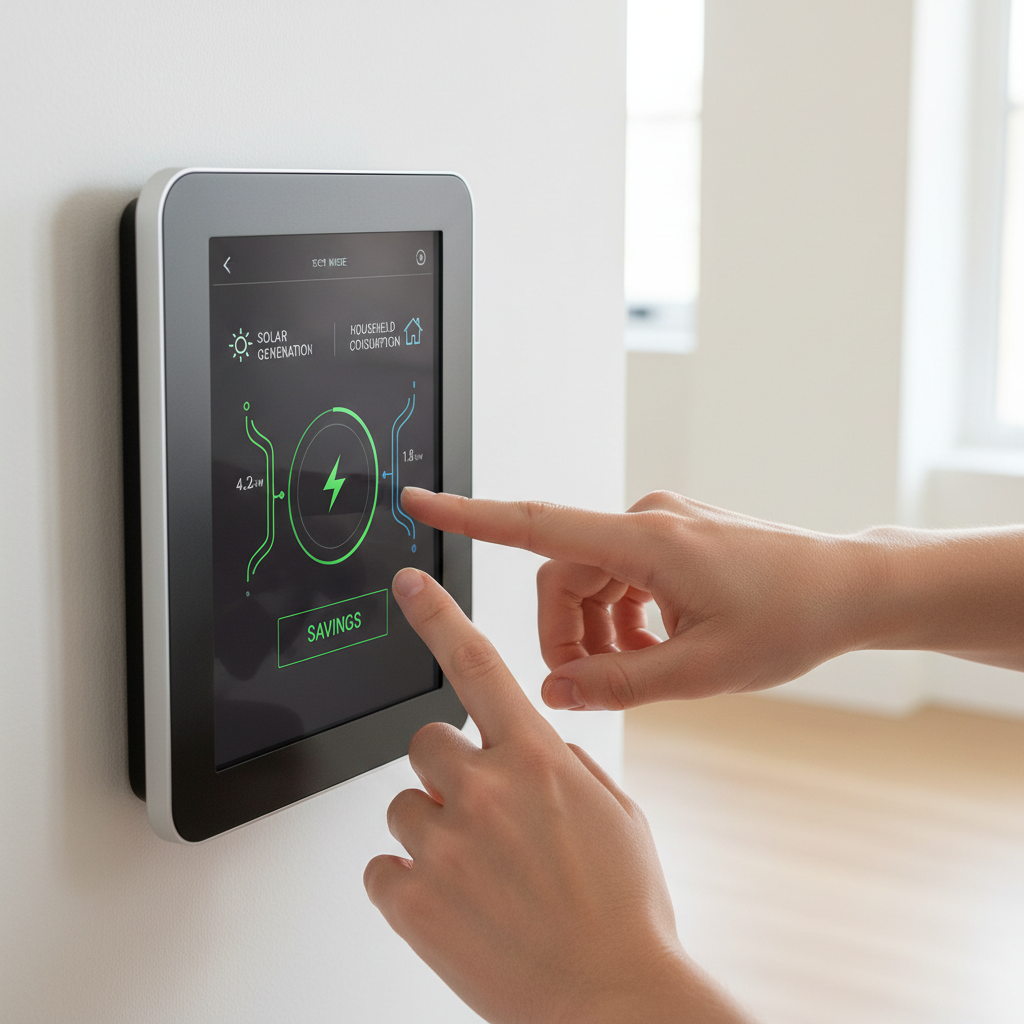
Lograr una integración de domótica con energía solar ahorro energético Venezuela optimiza el uso de la electricidad mediante la automatización de equipos y el aprovechamiento de fuentes renovables. Esta tecnología permite monitorear el consumo en tiempo real para evitar el desperdicio de energía; además, asegura una mayor independencia eléctrica en hogares y empresas del país.
Navigating the complexities of the Venezuelan electrical landscape requires more than just backup power; it demands intelligent management. Many businesses and residential complexes in Barquisimeto and beyond face the double challenge of rising operational costs and an inconsistent grid. At Main Technologies, C.A., we understand that true energy independence lies in the synergy between photovoltaic generation and advanced automation. Integrating these systems allows for precise monitoring and automated load optimization, transforming energy from a volatile expense into a strategic asset. In this technical guide, we explore the essential components of smart energy management, practical design strategies for local optimization, and the alignment with international standards like ISO 50001. You will learn how to leverage domotics to maximize every kilowatt generated by the sun while ensuring operational continuity.
El binomio de eficiencia: Por qué integrar domótica con energía solar en Venezuela
In the current Venezuelan energy landscape, the integration of domótica con energía solar ahorro energético Venezuela has transitioned from a high-end luxury to a strategic necessity for operational continuity. While international markets often focus primarily on reducing carbon footprints or lowering utility bills, the Venezuelan context demands a robust approach centered on autonomy and resilience. For businesses in Barquisimeto and across the country, energy is not just a cost; it is a critical resource that requires precise orchestration.
Integrating sistemas de energías renovables with smart automation allows for a paradigm shift from passive consumption to active energy management. It is not enough to simply install photovoltaic panels; the system must possess the intelligence to manage those resources. This integration creates a synergy where the solar array provides the power and the domotic system acts as the brain, determining in real-time how to distribute energy based on battery levels, solar radiation, and grid stability. This level of control is what ensures a facility remains functional during prolonged grid failures.
Unlike generic residential setups, our soluciones de domótica y ahorro energético focus on automated load shedding and intelligent prioritization. By using advanced sensors and logic controllers, a facility can automatically defer high-consumption tasks, such as water pumping or industrial cooling, to peak solar hours. This technical approach, backed by consultoría técnica especializada, optimizes the lifespan of deep-cycle or lithium battery banks by preventing unnecessary discharge cycles, effectively maximizing the return on investment while securing the operational backbone of the enterprise.
Componentes clave de un sistema de gestión energética inteligente
To implement a robust solution for domótica con energía solar ahorro energético Venezuela, one must move beyond basic hardware and understand the technical synergy between three core pillars: generation, storage, and control. In an engineering context, these elements must be perfectly synchronized to ensure the system reacts intelligently to the fluctuating energy conditions typical of the Venezuelan electrical landscape.
Generación (Campos Fotovoltaicos): High-efficiency solar panels are the foundation. Their orientation and tilt must be calculated based on specific irradiance data for Barquisimeto and the Lara region to ensure maximum production during peak sun hours.
Almacenamiento (Baterías): Depending on the operational profile, we utilize lithium-ion technology or high-capacity deep cycle batteries. Lithium offers superior depth of discharge and a higher number of cycles, which is critical for systems that must provide daily backup during grid instability.
Control (Sensores y Actuadores): This layer includes presence sensors, temperature probes, and smart relays. These components provide the granular data necessary for the automation system to execute commands, such as adjusting lighting levels or managing HVAC setpoints based on real-time occupancy.
At the center of this architecture sits the hybrid inverter. We treat the hybrid inverter as the operational brain of the installation. It manages the bidirectional energy flow between the sistemas de energías renovables and the internal network, determining with millisecond precision when to draw power from the panels, when to utilize stored energy, and when to synchronize with the utility grid.
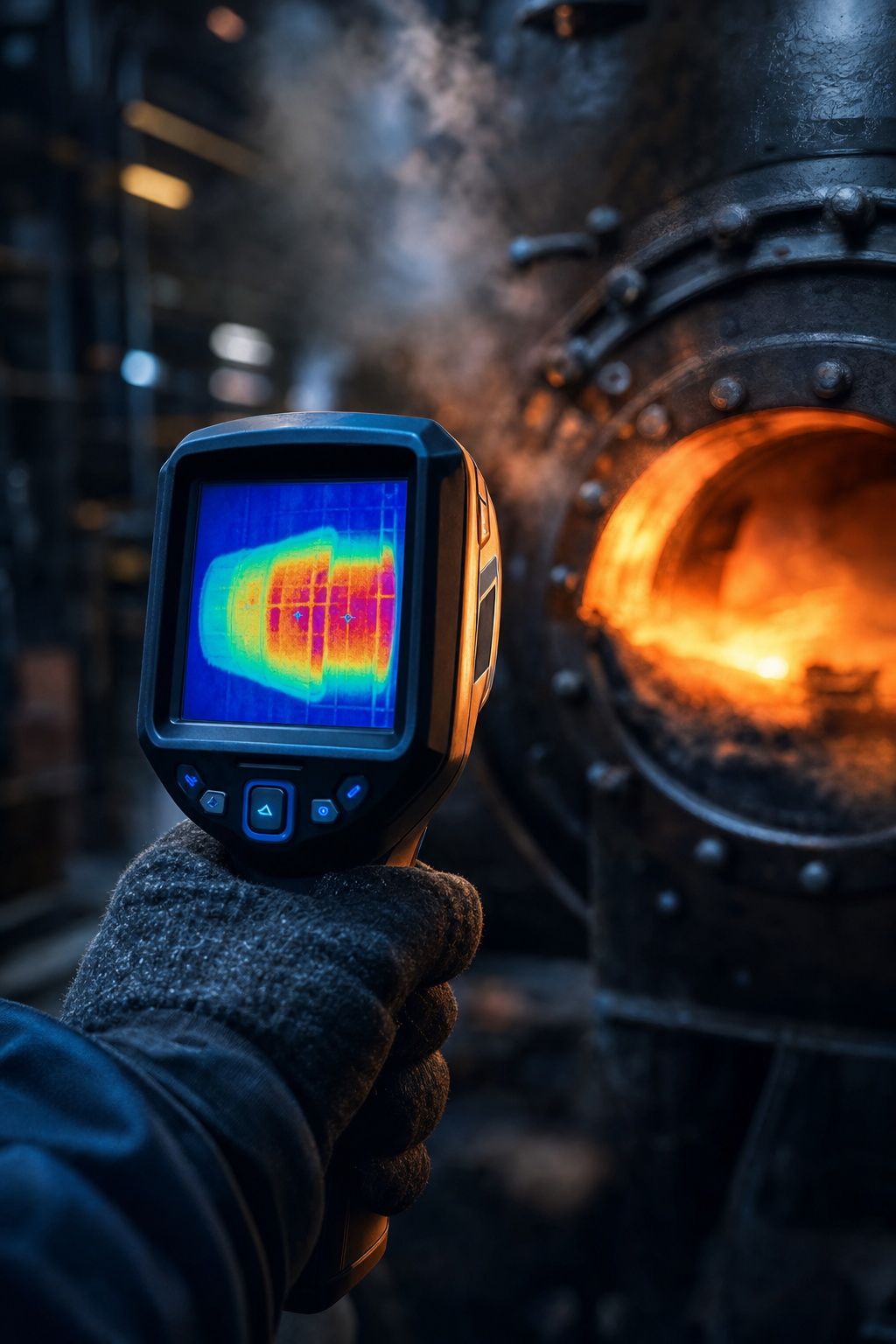
Effective management is impossible without high-fidelity data. Therefore, consultoría técnica especializada is required to integrate professional-grade instrumentation. Smart energy meters and current transformers (CTs) must be installed to monitor real-time consumption across different circuits. This level of technical detail allows our soluciones de domótica y ahorro energético to identify energy leaks and optimize the duty cycles of industrial equipment, ensuring that every kilowatt generated is utilized with maximum efficiency and zero waste.
Cómo diseñar un sistema que optimiza generación y consumo
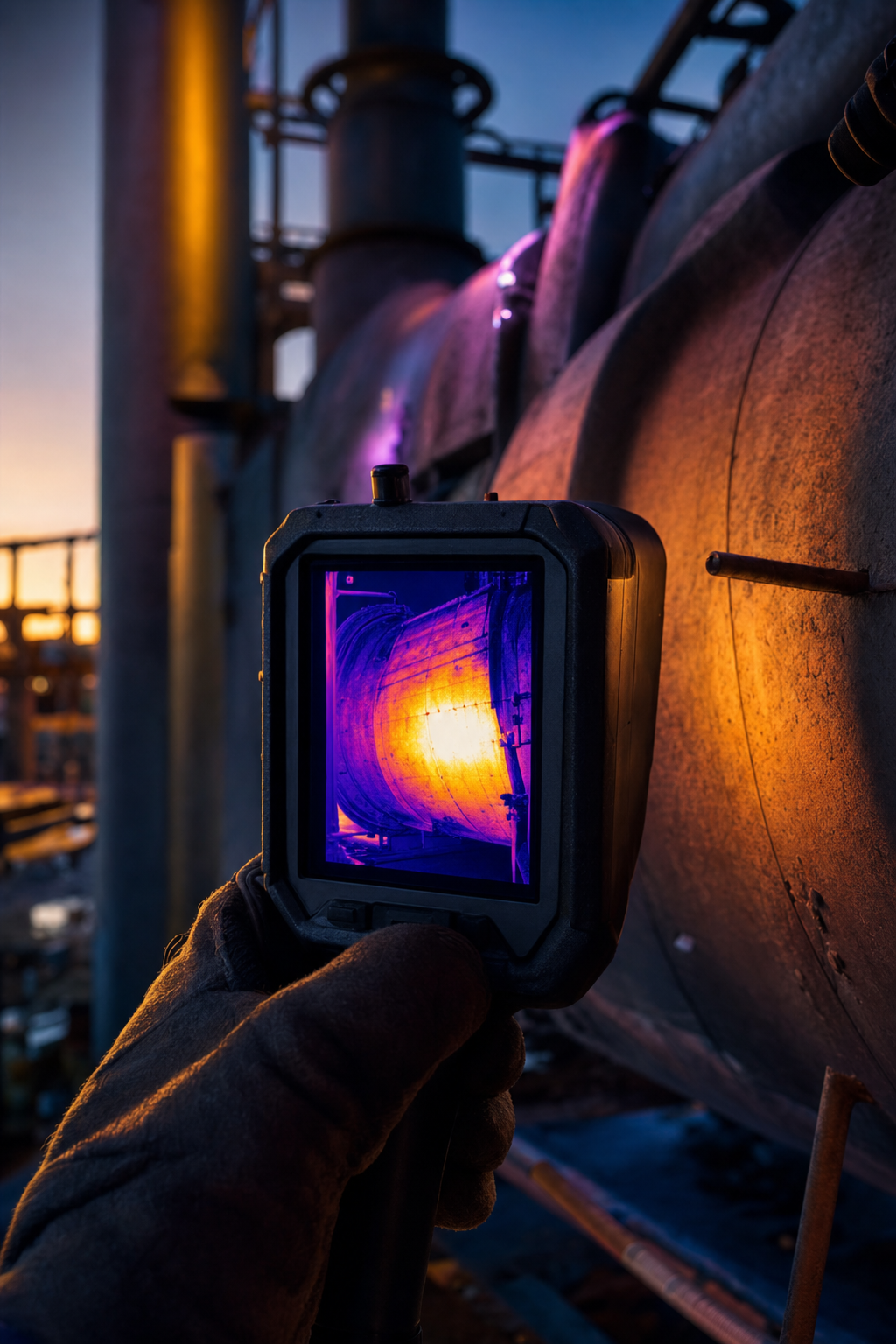
Designing an integrated system for domótica con energía solar ahorro energético Venezuela requires a structured engineering approach to ensure the investment translates into operational stability. At Main Technologies, C.A., we move beyond simple installation to a methodology of precise synchronization between energy supply and demand. This technical design process follows three critical phases tailored to the climatic and electrical realities of the Lara region.
Auditoría de carga inicial: Every project begins with an exhaustive energy audit. Unlike residential assessments that rely on utility bills, we use professional instrumentation to measure active and reactive power, as well as peak startup currents of industrial motors or refrigeration compressors. We categorize loads into 'critical' (lighting, servers, security) and 'deferrable' (water pumps, HVAC, pool heaters). This distinction is vital for determining the minimum battery capacity required to maintain operations during grid instability.
Dimensionamiento del campo fotovoltaico: We calculate the solar array based on the specific irradiance data for Barquisimeto, which averages approximately 5.1 Peak Sun Hours (PSH). This step involves more than just fitting panels on a roof; it requires calculating the Performance Ratio (PR) of the sistemas de energías renovables, accounting for thermal losses common in our tropical climate. We size the array not just to meet the daily average consumption, but to ensure there is enough excess power to recharge battery banks fully before 2:00 PM.
Programación de escenas domóticas para 'Load Shifting': This is the engineering core of our soluciones de domótica y ahorro energético. We program logic controllers to perform 'load shifting', which consists of moving high-consumption tasks to the hours of maximum solar radiation.
Load Type | Automation Logic | Impact |
|---|---|---|
HVAC / Chillers | Pre-cooling cycles triggered when PV production > 70% | Reduces battery drain at night |
Industrial Pumps | Water transfer restricted to peak sun hours (11:00 AM - 2:00 PM) | Maximizes direct solar utilization |
Battery Management | Dynamic charging rates based on weather forecasts | Extends battery life cycles |
By implementing these automated scenes, the system acts autonomously. If the sensors detect a surplus of solar energy and the batteries are full, the domotic controller automatically activates the air conditioning or the irrigation system. This prevents the waste of clean energy and reduces the depth of discharge on the battery bank, which is the most expensive component to replace. Through consultoría técnica especializada, we ensure that these logic sequences are customized to the specific thermal and operational profile of each facility.
Estrategias de domótica para el ahorro energético en comercios de Barquisimeto
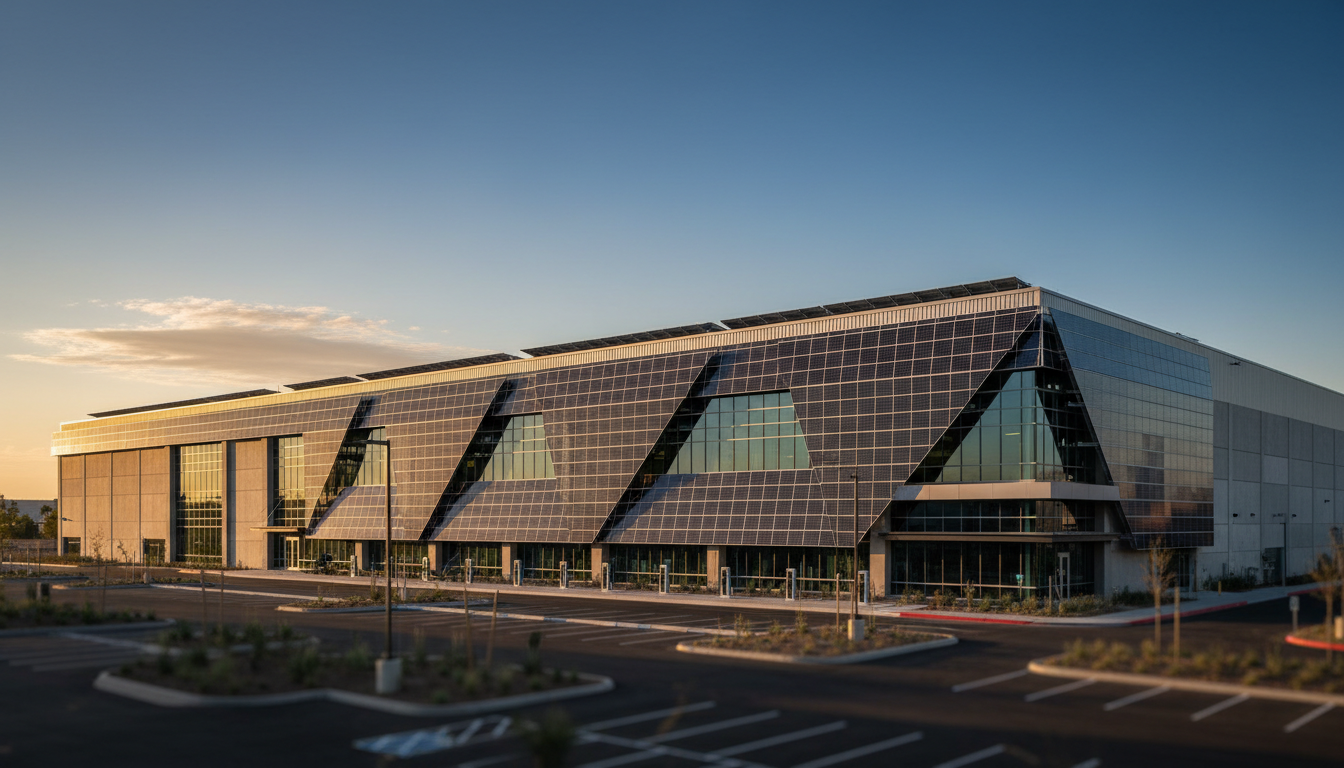
Commercial operations in Barquisimeto and the wider Lara region face unique challenges due to high ambient temperatures and peak irradiance levels. Implementing domótica con energía solar ahorro energético Venezuela in these settings requires a strategy that targets the two largest consumers: lighting and climate control. In retail spaces and office buildings, lighting can be optimized through presence sensors and dimerized control systems. By utilizing professional protocols like 0-10V or DALI, businesses can maintain minimum safety lighting while increasing intensity only when activity is detected, often resulting in a reduction in lighting energy consumption of up to 40%.
Climate management is where soluciones de domótica y ahorro energético provide the most significant return on investment. In Barquisimeto, external temperatures peak in the early afternoon, precisely when solar production is at its highest. Our systems use outdoor temperature probes and indoor occupancy sensors to modulate HVAC setpoints dynamically. Instead of maintaining a static temperature, the system leverages surplus energy from sistemas de energías renovables to adjust cooling intensity based on real-time occupancy and thermal gain.
Strategy | Technical Implementation | Operational Benefit |
|---|---|---|
Dimerized Lighting | 0-10V or DALI actuators with lux sensors | Up to 40% reduction in lighting load |
Occupancy-Based HVAC | PIR sensors and smart thermostats | Prevents cooling of unoccupied zones |
Solar Peak Cooling | Dynamic setpoint adjustment | Maximizes direct self-consumption of solar energy |
This level of integration requires consultoría técnica especializada to ensure that sensors are placed at the correct heights and angles to avoid false triggers while maintaining comfort and operational safety for employees and customers alike. By aligning consumption with the specific solar curve of the Lara region, businesses can achieve a level of energy independence that standard installations cannot provide.
Gestión energética y normas internacionales: El enfoque hacia ISO 50001
Transitioning from commercial savings to industrial excellence requires a framework like ISO 50001. This international standard focuses on establishing, implementing, and improving an Energy Management System (EnMS). For industrial plants and large-scale facilities, integrating domótica con energía solar ahorro energético Venezuela serves as the primary data acquisition layer. Without automated sensors and smart meters, quantifying the Energy Performance Indicators (EnPIs) required for certification becomes an estimation rather than a technical certainty.
At Main Technologies, C.A., we elevate these installations by providing consultoría técnica especializada. We bridge the gap between simple automation and professional engineering. Our approach ensures that every sensor and actuator contributes to a verifiable energy baseline. This precision is essential for identifying Significant Energy Uses (SEUs) as defined by ISO 50001, allowing for continuous improvement in electrical consumption patterns.
Furthermore, our role involves ensuring that these soluciones de domótica y ahorro energético align with local safety regulations and international technical requirements. As an INPSASEL authorized firm for critical equipment certification, we prioritize the integration of safety protocols within the energy management framework. By combining sistemas de energías renovables with high-fidelity control systems, we provide the technical infrastructure necessary for businesses to achieve professional certifications, ensuring their energy strategy is both sustainable and regulatorily compliant.
Preguntas frecuentes sobre domótica y energía solar en el mercado venezolano
Navigating the technical landscape of domótica con energía solar ahorro energético Venezuela requires addressing specific operational concerns common in the Lara region. Below are the most frequent inquiries we receive regarding these integrated systems.
¿Cuáles son los dispositivos básicos para iniciar? Un sistema profesional se compone de tres niveles técnicos: 1. Sensores: Dispositivos de entrada que miden variables como presencia (PIR), niveles de iluminación (LUX) e irradiancia solar. 2. Actuadores: Relés inteligentes, dimmers y contactores que ejecutan la acción física de encendido, apagado o regulación. 3. Controladores: El cerebro del sistema que procesa la lógica de control y se comunica con el inversor híbrido de los sistemas de energías renovables.
¿Cómo mejora realmente la eficiencia energética? La eficiencia se maximiza al eliminar el error humano y los consumos fantasma. El sistema asegura que las cargas críticas solo operen bajo condiciones óptimas, evitando el desperdicio por olvido o mal uso de equipos de alto consumo. Mediante la consultoría técnica especializada, programamos umbrales que desactivan circuitos no esenciales cuando el almacenamiento de baterías alcanza niveles críticos, preservando la energía para procesos vitales.
¿Vale la pena la inversión considerando los costos actuales? En el contexto venezolano, el Retorno de Inversión (ROI) no debe medirse únicamente por el ahorro en la factura eléctrica, sino por la continuidad operativa. El costo de oportunidad de una parada de planta o comercio por fallas en la red suele superar la inversión inicial en soluciones de domótica y ahorro energético. La capacidad de mantener operaciones autónomas y proteger equipos sensibles contra fluctuaciones de voltaje garantiza una amortización acelerada a través de la resiliencia operativa y la extensión de la vida útil de los activos.
Integrating solar power with smart systems is the most effective way to achieve true energy independence in Venezuela. By automating your home, you maximize every watt generated while reducing your overall environmental footprint. If you want expert help to design a customized setup that meets your specific needs, our team at Main Technologies, C.A. is ready to assist. Investing in professional Domótica ensures your installation is efficient, safe, and built to last; providing peace of mind for your family.